Getting dental veneers is a cosmetic decision, but it’s also a process. Many people focus on the final smile and don’t fully understand what happens before the veneers are placed, what the appointment actually involves, or how long it takes to feel fully adjusted afterward.
Knowing what to expect at each stage helps reduce anxiety, set realistic expectations, and ensure better long-term results. This guide walks through the veneer process step by step so patients understand how veneers are planned, placed, and cared for over time.
Why Understanding the Veneer Process Matters
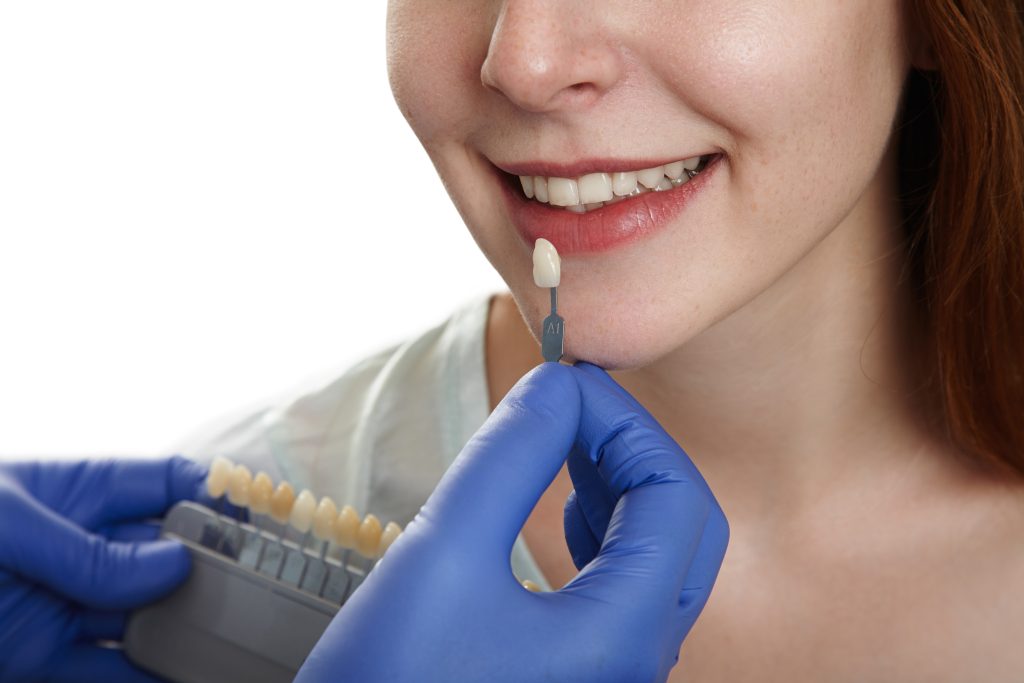
Veneers can create dramatic improvements, but the experience is smoother when patients know what’s involved.
Setting Realistic Expectations From the Start
Veneers are custom-made and highly personalized, which means the process takes planning. Understanding timelines, adjustments, and aftercare helps avoid surprises and disappointment.
Why the Process Matters as Much as the Result
A well-planned veneer process supports comfort, proper bite function, and long-term durability. Rushing decisions or skipping steps can compromise results.
Common Misconceptions Patients Have Going In
Many people assume veneers are instant, painless, or require no follow-up. While placement is typically comfortable, veneers still require preparation, adjustment, and care.
What Happens Before Getting Veneers
The planning stage is one of the most important parts of the entire process.
Initial Consultation and Smile Goals Discussion
Before anything is done, dentists talk with patients about what they want to change. This includes tooth color, shape, size, and overall smile balance.
Evaluating Tooth Health, Enamel, and Bite
Dentists assess enamel thickness, tooth alignment, and bite forces to determine whether veneers are appropriate and which approach makes sense.
Planning, Previews, and Mock-Ups
In some cases, mock-ups or previews are used to help patients visualize potential changes. This stage helps align expectations before committing.
This is often where patients begin learning about veneers as a cosmetic treatment and how planning influences the final outcome.
Preparing Teeth for Veneers
Once veneers are planned, the teeth may need to be prepared.
What Tooth Preparation Actually Involves
Preparation typically involves reshaping a small amount of enamel to allow veneers to sit naturally without looking bulky.
How Much Enamel May Be Adjusted
The amount varies depending on the case. Some veneers require minimal preparation, while others need slightly more adjustment for proper fit.
Temporary Veneers and Why They’re Sometimes Needed
Temporary veneers may be placed to protect teeth and maintain appearance while permanent veneers are being made.
What Happens During Veneer Placement
The veneer placement appointment is often more straightforward and comfortable than many patients expect. By the time this visit happens, most of the planning has already been completed, which allows the appointment to focus on precision rather than decision-making. The goal during placement is to ensure the veneers fit naturally, function properly, and blend seamlessly with the surrounding teeth.
Fitting and Checking Veneer Shape and Color
Before anything is permanently bonded, veneers are carefully tried on the teeth. This allows both the dentist and the patient to evaluate how the veneers look and feel in real time. The dentist checks that the veneers sit flush against the teeth, align properly with the bite, and don’t interfere with neighboring teeth.
Color is also reviewed at this stage. Veneers are designed to match or enhance the surrounding teeth, and lighting can influence how shades appear. If minor refinements are needed to improve shape, length, or overall balance, they can often be addressed before bonding. This step ensures the final result matches the original plan and expectations.
Bonding Process Explained in Patient-Friendly Terms
Once the fit and appearance are approved, the veneers are permanently bonded to the teeth. The dentist prepares the tooth surface so the adhesive can form a strong, long-lasting connection. A dental bonding agent is then used to secure each veneer in place.
The adhesive is hardened using a special curing light, which helps lock the veneer onto the tooth. This process is repeated carefully for each veneer to ensure proper placement and durability. The bonding materials are designed to withstand normal chewing forces while maintaining a natural appearance.
What Patients Usually Feel During Placement
Most patients report little to no discomfort during veneer placement. Because the teeth have already been prepared, the bonding process itself is typically painless. Some patients notice mild pressure or temporary sensitivity, but this usually fades quickly.
After placement, the mouth may feel slightly different as the bite adjusts, but this sensation is temporary. Dentists check the bite before the appointment ends to reduce the likelihood of ongoing discomfort and ensure the veneers feel comfortable from the start.
Immediately After Getting Veneers
The first day or two after veneer placement is primarily about adjustment. Even though veneers are custom-made to fit precisely, your mouth still needs time to adapt to the new surfaces, shapes, and contours. This adjustment period is normal and expected, and most changes are temporary as your bite and muscles recalibrate.
Sensations Patients May Notice at First
Right after placement, teeth may feel slightly different than before. Some patients describe a mild sense of tightness or pressure, while others notice temporary sensitivity to temperature. This usually happens because the teeth and surrounding tissues are responding to recent dental work, not because something is wrong.
The surface of the veneers may also feel smoother or slightly bulkier at first, especially if multiple teeth were treated. These sensations typically fade as the tongue and lips adjust to the new tooth contours. In most cases, sensitivity decreases steadily over the first few days without intervention.
Adjusting to Bite and Speech Changes
Minor bite changes are common immediately after veneers are placed. Because veneers subtly alter tooth shape and length, the way the teeth come together may feel unfamiliar at first. Dentists usually check and adjust the bite during the appointment, but muscles may still need time to adapt.
Speech changes can also occur briefly, particularly with sounds that involve the front teeth. This is usually temporary and resolves as the tongue learns the new surface positions. Most patients notice improvement within a few days as normal speech patterns return naturally.
When to Call the Dentist After Placement
While mild sensitivity and awareness are normal, certain symptoms should be addressed promptly. Persistent discomfort that doesn’t improve, sharp edges that irritate the tongue or lips, or a bite that feels uneven when chewing are all reasons to contact the dentist.
Early adjustments are typically quick and simple, and addressing concerns sooner helps prevent long-term discomfort. Clear communication during this phase ensures veneers settle comfortably and function as intended.
Recovery and Adjustment Period
Veneers are designed to feel natural, but like any dental treatment, they require an adjustment period. Even though veneers are custom-shaped for each tooth, your mouth still needs time to adapt to subtle changes in tooth contours and bite dynamics. This phase is less about healing and more about becoming accustomed to how the veneers function during everyday activities.
First Few Days vs First Few Weeks
During the first few days, patients may be more aware of their veneers simply because they are new. Teeth may feel slightly different when biting, and the tongue may notice smoother or altered surfaces. These sensations are common and usually fade quickly.
Over the following weeks, awareness continues to decrease as the bite settles and the muscles involved in chewing and speaking adapt. Most patients find that by the end of the first few weeks, the veneers feel like a natural part of their smile.
Eating and Drinking Considerations Early On
In the early days after placement, dentists may suggest avoiding very hard or sticky foods. This isn’t because veneers are fragile, but because allowing the bite to stabilize helps prevent unnecessary stress during the adjustment phase.
Gradually returning to normal eating habits allows patients to regain confidence while minimizing discomfort. Paying attention to how foods feel when chewing can also help identify any bite concerns early.
How Long It Takes Veneers to Feel “Normal”
For most patients, veneers begin to feel natural within a few days and fully normal within a few weeks. The adjustment period varies, but with time and consistent care, veneers integrate seamlessly into daily life.
Long-Term Care and Maintenance
Veneers are designed to be durable, but their longevity depends heavily on daily care and long-term habits. While veneers don’t require special products or complicated routines, consistent oral hygiene and mindful habits play a major role in keeping them looking and functioning well over time.
Daily Oral Hygiene With Veneers
Brushing and flossing remain essential even after veneers are placed. Veneers protect the front surface of teeth, but the natural tooth structure underneath still needs care. Plaque can build up around the edges of veneers just like natural teeth, making daily cleaning important for preventing gum issues and decay.
Using a non-abrasive toothpaste and a soft-bristled toothbrush helps protect both veneers and surrounding enamel. Flossing removes plaque between teeth and along the gumline, areas veneers don’t cover. Maintaining a consistent routine supports both oral health and the appearance of the veneers.
Habits to Avoid to Protect Veneers
Certain habits can shorten the lifespan of veneers. Grinding or clenching teeth places extra stress on the veneers and may lead to wear or damage over time. Nail biting, chewing on pens, or using teeth as tools can also increase the risk of chipping.
Being mindful of these habits helps preserve the veneers and reduce unnecessary stress on the teeth.
Why Regular Checkups Still Matter
Regular dental checkups allow dentists to monitor the condition of veneers and the health of the surrounding teeth and gums. Minor issues, such as small bite adjustments or early signs of wear, can be addressed before they become larger problems. Ongoing professional care helps ensure veneers remain comfortable, functional, and long-lasting.
How Long Results Typically Last
The longevity of veneers varies from person to person and depends largely on how they are cared for over time. Veneers are designed to be durable and long-lasting, but they are not permanent fixtures. Understanding what influences their lifespan helps patients maintain results and recognize when normal maintenance may be needed.
What Affects Veneer Longevity
Several factors contribute to how long veneers last. Material choice plays a role, as different veneer materials respond differently to wear and stress. Bite forces also matter—patients who clench or grind their teeth place more pressure on veneers, which can shorten their lifespan without proper protection.
Oral hygiene is another key factor. While veneers themselves don’t decay, the natural tooth underneath can still be affected by plaque and gum issues. Consistent brushing, flossing, and routine dental visits help protect the foundation that supports the veneers.
Normal Wear vs Signs of Concern
Some degree of wear over time is expected, especially with normal chewing and daily use. Slight surface changes or minor polishing needs are not unusual and don’t necessarily indicate a problem.
However, cracks, chips, looseness, or sudden changes in bite should be evaluated. These signs don’t always mean replacement is required, but they do warrant professional assessment to prevent further issues.
When Veneers May Need Repair or Replacement
Over many years, veneers may need maintenance or eventual replacement to maintain appearance and function. This is a normal part of long-term care. Addressing small concerns early often helps extend the life of veneers and preserve results as long as possible.
Final Takeaway: What Patients Should Really Expect
Veneers aren’t just a cosmetic upgrade — they’re a process that involves planning, precision, and long-term care. Understanding what happens before, during, and after placement helps patients feel confident and prepared at every stage.
When expectations are clear and care is consistent, veneers can provide long-lasting improvements that feel natural and functional, not just visually appealing.
Leave a Reply