Veneers are often talked about as a single cosmetic solution, but one of the most important decisions happens before anything is placed on a tooth: choosing the right material.
Composite and porcelain veneers may serve the same general purpose, but they behave very differently in terms of appearance, durability, maintenance, and long-term expectations.
Understanding these differences helps patients set realistic goals and avoid disappointment later. This guide breaks down how composite and porcelain veneers compare, what each material does best, and how dentists help patients decide which option fits their smile goals and lifestyle.
Why Veneer Material Choice Matters More Than People Realize
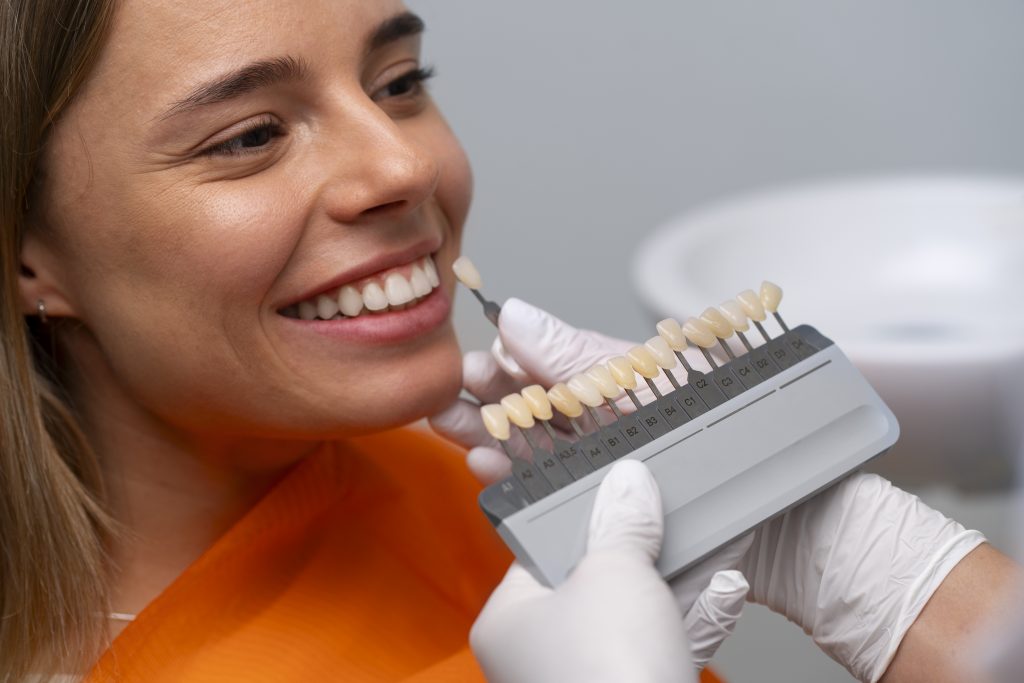
Many people focus on the end result: straighter, brighter, or more uniform teeth….. without realizing how much the material itself influences that outcome.
Veneers Aren’t One-Size-Fits-All
Composite and porcelain veneers are made from different materials and placed using different techniques. These differences affect how veneers look, feel, and hold up over time.
How Material Affects Appearance, Durability, and Maintenance
Some materials resist staining better. Others are easier to repair. Some last longer but require more preparation. Choosing the right material means balancing aesthetics, longevity, and maintenance expectations.
Why Choosing the Wrong Material Can Lead to Disappointment
A veneer that looks great at first may not meet expectations long term if the material doesn’t match a patient’s habits or priorities. Material choice sets the foundation for success.
What Composite Veneers Are
Composite veneers are made from a tooth-colored resin similar to what’s used for dental bonding.
How Composite Material Is Made and Applied
The material is applied directly to the tooth and shaped by the dentist. It hardens quickly and is polished to blend with surrounding teeth.
Chairside Process Explained Simply
Composite veneers are often completed in a single visit. Because the material is shaped directly on the tooth, adjustments can be made immediately.
Typical Use Cases for Composite Veneers
Composite veneers are commonly used for minor shape corrections, small gaps, chips, or short-term cosmetic improvements.
What Porcelain Veneers Are
Porcelain veneers are thin shells crafted from ceramic materials in a dental laboratory.
How Porcelain Veneers Are Fabricated
After teeth are prepared, impressions or digital scans are sent to a lab where veneers are custom-made to precise specifications.
Lab-Created vs In-Office Placement Differences
Because porcelain veneers are fabricated externally, placement usually takes multiple visits. The lab process allows for high precision and consistency.
Typical Use Cases for Porcelain Veneers
Porcelain veneers are often chosen for comprehensive smile transformations where durability, stain resistance, and long-term aesthetics are priorities.
Composite vs Porcelain Veneers: Core Material Differences
While both options improve appearance, their underlying properties differ significantly.
Strength and Resistance to Wear
Porcelain is generally more resistant to wear and surface damage. Composite is durable but softer and more prone to gradual wear.
Thickness and Tooth Preparation Differences
Porcelain veneers often require more precise tooth preparation. Composite veneers may require little to no removal of enamel in some cases.
How Each Material Responds to Daily Use
Daily habits like chewing, grinding, or biting hard objects affect composite and porcelain differently over time.
Appearance and Aesthetics Over Time
Initial appearance matters, but how veneers age visually is just as important.
Color Stability and Stain Resistance
Porcelain resists staining from coffee, tea, and wine more effectively. Composite is more susceptible to gradual discoloration.
Light Reflection and Natural Tooth Appearance
Porcelain reflects light in a way that closely mimics natural enamel. Composite can look natural, but may lose polish faster.
How Each Material Ages Visually
Porcelain tends to maintain its appearance longer, while composite may require polishing or refinishing over time.
Longevity and Durability Expectations
Veneers are an investment, and lifespan plays a major role in decision-making.
Average Lifespan of Composite Veneers
Composite veneers often last several years, depending on care and habits, before needing repair or replacement.
Average Lifespan of Porcelain Veneers
Porcelain veneers typically last longer and maintain their structure and appearance for many years with proper care.
Factors That Shorten or Extend Veneer Lifespan
Grinding, oral hygiene, diet, and follow-up care all influence how long veneers last, regardless of material.
Maintenance, Repairs, and Adjustments
Long-term upkeep differs between materials.
Ease of Repair for Composite Veneers
Composite veneers are easier to repair if chipped or worn. Adjustments can often be made directly in the dental office.
What Happens If Porcelain Veneers Chip or Crack
Porcelain repairs are more limited. Significant damage may require replacement rather than repair.
Long-Term Maintenance Differences Patients Should Expect
Composite may require more frequent maintenance, while porcelain focuses more on preservation and protection.
Lifestyle and Habit Considerations
Daily habits play a major role in veneer success.
Teeth Grinding and Clenching
Grinding places stress on veneers. Material choice may be influenced by bite forces and nighttime habits.
Coffee, Wine, and Staining Habits
Patients who frequently consume staining beverages may prefer materials that resist discoloration.
Oral Hygiene and Follow-Up Care Expectations
Both materials require good oral hygiene, but maintenance schedules may differ.
Cost Factors Without Getting Into Pricing
Cost differences exist even without discussing numbers.
Why Porcelain Veneers Typically Require More Upfront Investment
Lab fabrication, materials, and multiple visits contribute to higher complexity.
Long-Term Value vs Short-Term Affordability
Lower upfront investment doesn’t always mean lower long-term cost when maintenance is considered.
Why “Cheaper” Isn’t Always Cheaper Over Time
Durability and replacement frequency matter when evaluating overall value.
Who Tends to Be a Better Candidate for Each Option
Dentists don’t recommend veneer materials based on trends or popularity. Instead, they evaluate how each option aligns with a patient’s teeth, goals, and long-term expectations. While both composite and porcelain veneers can deliver attractive results, they tend to suit different situations.
When Composite Veneers May Make More Sense
Composite veneers are often a good fit for patients who want a more conservative approach. Because composite material can sometimes be applied with little to no enamel removal, it may appeal to patients who prefer to preserve as much natural tooth structure as possible.
Composite veneers can also be a practical option for smaller cosmetic changes, such as minor chips, uneven edges, or subtle shape adjustments. Patients who value flexibility may appreciate that composite can often be modified or repaired more easily over time. In some cases, composite veneers are used as a transitional solution, helping patients preview changes before committing to a longer-term option.
Lifestyle factors can also play a role. For patients who are still refining their smile goals or who anticipate changes down the road, composite veneers offer adaptability that some people find reassuring.
When Porcelain Veneers Are Often Recommended
Porcelain veneers are commonly recommended for patients seeking long-term durability and consistency in appearance. Because porcelain resists staining and wear more effectively, it’s often favored when aesthetics need to remain stable over many years.
Patients pursuing more comprehensive smile changes—such as improving overall symmetry, brightness, or uniformity—may benefit from porcelain’s strength and lab-crafted precision. Porcelain veneers are also frequently chosen when multiple teeth are involved and a consistent look across the smile is a priority.
For individuals with strong bite forces or habits that could affect softer materials, porcelain may provide added resilience when paired with proper protective care.
Why Dentist Guidance Matters More Than Online Opinions
Online advice often presents veneer choices as simple comparisons, but real smiles are more complex. Tooth structure, enamel thickness, bite alignment, and long-term oral health all influence which material performs best.
What works well for one person may not suit another, even if their goals appear similar. Dentist guidance helps ensure that material selection supports both appearance and function, not just trends or short-term preferences.
At this stage, patients often gain clarity about veneers as a cosmetic treatment and how thoughtful material selection supports lasting, realistic results.
Composite vs Porcelain Veneers: How Dentists Help You Decide
Choosing between composite and porcelain veneers isn’t a one-sided recommendation—it’s a collaborative process. Dentists don’t simply match patients to materials based on popularity or appearance alone. Instead, they weigh multiple clinical and personal factors to ensure the choice supports both aesthetics and long-term oral health.
Smile Goals vs Functional Needs
One of the first considerations is what a patient hopes to change about their smile. Some patients want subtle refinements, such as smoothing uneven edges or closing small gaps, while others are looking for a more dramatic transformation. Dentists balance these aesthetic goals with functional needs, such as how the teeth come together when biting and chewing.
A veneer that looks great but interferes with bite function can lead to discomfort or premature wear. That’s why dentists evaluate how changes will affect everyday use, not just appearance in photos or mirrors.
Tooth Structure and Enamel Considerations
The condition of the underlying teeth plays a major role in material selection. Enamel thickness, tooth shape, and alignment all influence how well a veneer will bond and perform over time. Teeth with limited enamel may not be ideal candidates for certain approaches, while spacing and alignment can affect how much preparation is required.
Dentists also consider how conservative the treatment should be. Preserving healthy tooth structure is always a priority, and material choice can influence how much preparation is needed to achieve the desired result.
Balancing Aesthetics, Durability, and Lifestyle
Ultimately, dentists help patients weigh how their veneers will fit into daily life. Habits like grinding, diet preferences, and long-term maintenance expectations all matter. A solution that looks ideal on paper may not be the best match if it doesn’t align with how a patient lives.
The goal is to choose a material that delivers the desired appearance while holding up under real-world conditions. The right choice supports confidence, comfort, and longevity—not just what looks good at first glance.
Final Takeaway: Choosing the Right Veneer Material That Fits Your Goals
Composite and porcelain veneers can both deliver beautiful results when used appropriately. The key difference lies in how each material behaves over time and how well it matches a patient’s priorities.
Composite veneers offer flexibility and repairability, while porcelain veneers provide durability and long-term aesthetic stability. Choosing between them isn’t about which is “better,” but which is better for you, based on goals, habits, and expectations.
Leave a Reply