When people hear the word “dentures,” they often imagine a single solution that applies to everyone who has lost teeth. In reality, dentures are not one-size-fits-all. Dentists carefully evaluate each patient’s mouth, remaining teeth, gum health, and long-term needs before recommending a specific type of denture.
Understanding the difference between partial and full dentures helps patients make informed decisions and set realistic expectations. This guide explains how dentists determine which option fits best, why that decision is individualized, and what patients should know before moving forward.
Why Denture Type Isn’t a One-Size-Fits-All Decision
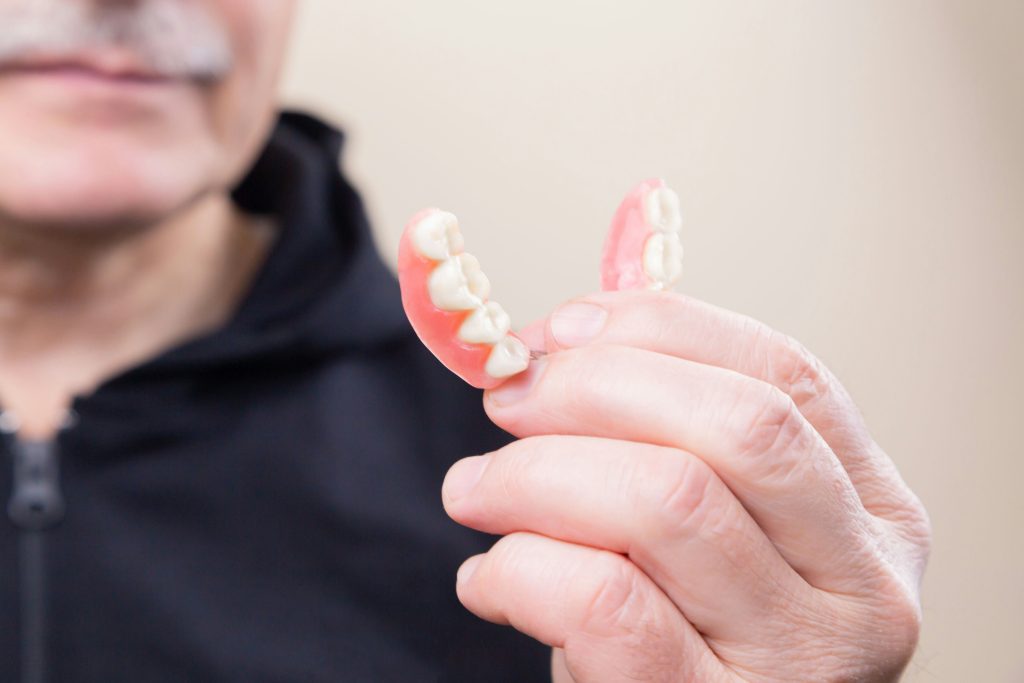
Tooth loss affects every mouth differently, and denture recommendations are based on far more than the number of missing teeth.
Why Tooth Loss Patterns Matter More Than People Think
The location and pattern of missing teeth play a major role in denture planning. Losing a few teeth in one area creates different challenges than widespread or complete tooth loss. Dentists look at how remaining teeth interact with each other and how gaps affect chewing, balance, and stability.
Even small differences in tooth loss patterns can change which denture type will function best over time.
How Remaining Teeth Influence Treatment Options
Remaining natural teeth provide support, guidance, and stability. When healthy teeth are present, dentists often consider ways to preserve and work around them rather than removing them unnecessarily. The condition, position, and strength of these teeth help determine whether partial dentures are viable.
Preserving natural teeth whenever possible is usually beneficial for long-term oral health.
Why Dentist Evaluation Matters More Than Online Advice
Online comparisons often oversimplify denture decisions. Dentists evaluate bone support, gum condition, bite forces, and long-term changes that aren’t visible in generic advice. Professional assessment ensures recommendations are based on anatomy, not assumptions.
What Partial Dentures Are
Partial dentures are designed for patients who still have some natural teeth remaining.
How Partial Dentures Replace Missing Teeth
Partial dentures fill gaps left by missing teeth while using remaining teeth for support. They are custom-made to fit around natural teeth, restoring function and appearance without replacing the entire arch.
This design allows patients to keep healthy teeth while addressing areas of tooth loss.
How Partials Interact With Natural Teeth
Partial dentures rely on natural teeth for stability and alignment. Dentists carefully design them to distribute chewing forces evenly and minimize stress on remaining teeth. Proper fit is essential to prevent irritation or movement.
When designed correctly, partials can integrate smoothly with existing teeth.
Common Situations Where Partial Dentures Are Considered
Partial dentures are often considered when tooth loss is limited and remaining teeth are strong. They are also used when preserving natural teeth supports better chewing function and jaw stability. Dentists evaluate whether remaining teeth can safely support a partial over time.
What Full Dentures Are
Full dentures replace all teeth in the upper or lower jaw.
When Full Dentures Are Typically Recommended
Full dentures are usually recommended when most or all teeth are missing or when remaining teeth cannot be preserved due to damage or disease. In these cases, removing compromised teeth can improve comfort and function.
The goal is to create a stable, balanced foundation for chewing and speaking.
How Full Dentures Restore Function and Appearance
Full dentures restore the ability to chew, speak, and smile confidently. They are shaped to support facial structure and help maintain a natural appearance. Proper design helps compensate for bone and tissue changes following tooth loss.
Dentists focus on both function and comfort during fabrication.
Differences Between Upper and Lower Full Dentures
Upper dentures often rely on suction for stability, while lower dentures depend more on muscle control and precise fit. Because of this, lower dentures may feel less stable initially and require more adjustment.
Understanding these differences helps set realistic expectations.
Partial vs Full Dentures: Key Structural Differences
The two options differ significantly in design and long-term behavior.
Support Systems and How Each Type Stays in Place
Partial dentures use natural teeth for anchoring and guidance, while full dentures rest entirely on gum tissue and bone. This difference affects stability, movement, and long-term fit.
Dentists consider how each support system will perform over time.
Impact on Chewing and Bite Balance
Partials often allow for more natural bite forces because they work alongside natural teeth. Full dentures require careful bite balancing to distribute pressure evenly across the gums.
Improper balance can lead to soreness or instability.
Long-Term Changes in Gums and Bone
Bone loss continues after tooth loss, especially under full dentures. Partial dentures may slow this process by preserving natural teeth. Dentists factor these changes into long-term planning.
How Dentists Evaluate Which Option Fits Best
Dentists rely on multiple factors when recommending a denture type.
Number and Condition of Remaining Teeth
Healthy, well-positioned teeth may support partial dentures effectively. Weak, damaged, or poorly positioned teeth may not provide reliable support.
Dentists assess whether preserving teeth benefits function and longevity.
Gum Health and Jawbone Support
Healthy gums and sufficient bone support are essential for denture stability. Dentists evaluate tissue condition and bone contours to determine which option will be more comfortable and durable.
Compromised tissue may limit certain options.
Bite Forces and Oral Habits
Clenching, grinding, and chewing habits influence denture design. Dentists account for these forces to prevent excessive wear or instability.
Matching denture type to lifestyle improves long-term success.
Comfort, Adjustment, and Daily Life Differences
Partial and full dentures feel different in everyday use.
Adjustment Timelines for Partial vs Full Dentures
Partials often require shorter adjustment periods because natural teeth guide function. Full dentures may take longer as muscles adapt to new surfaces and movement patterns.
Patience during this phase is important.
Speaking, Eating, and Daily Comfort Considerations
Speech changes and chewing challenges are common initially. Dentists provide guidance on adapting gradually and addressing discomfort early.
Most patients improve significantly with time and adjustments.
Maintenance Routines for Each Option
Both types require daily cleaning and routine checkups. Partials require care around natural teeth, while full dentures need thorough surface cleaning and proper storage.
Consistent care supports comfort and longevity.
Longevity and Future Changes to Expect
Dentures evolve with the mouth over time.
How Long Partial Dentures Typically Last
With proper care, partial dentures can last many years. However, changes in natural teeth or gums may require adjustments or replacement.
Dentists monitor these changes during regular visits.
When Partials May Transition to Full Dentures
If remaining teeth are lost later, partial dentures may no longer be suitable. In some cases, transitioning to full dentures becomes necessary.
Early planning helps prepare for this possibility.
Why Periodic Reevaluation Is Important
The mouth changes continuously. Regular evaluations allow dentists to adjust fit and function before problems arise.
Proactive care extends denture lifespan.
Common Misconceptions About Partial and Full Dentures
Misinformation often complicates denture decisions.
“More Teeth Removed Is Always Better” Myth
Removing healthy teeth is rarely beneficial. Preserving natural teeth often supports better function and stability.
Dentists aim to conserve whenever possible.
“Partials Damage Natural Teeth” Myth
When properly designed and maintained, partial dentures do not damage natural teeth. Problems usually arise from poor fit or lack of care.
Professional oversight prevents complications.
Why Early Planning Matters
Understanding options early allows for better long-term outcomes. Planning ahead helps patients adapt gradually rather than reactively.
Final Takeaway: The Right Denture Depends on Your Mouth
Partial and full dentures serve different purposes and suit different situations. Dentists evaluate anatomy, health, habits, and long-term expectations before making recommendations.
The best denture is the one that fits the patient’s mouth today while adapting to changes tomorrow. Informed decisions and ongoing care help dentures remain comfortable, functional, and supportive over time.
Leave a Reply