Getting dentures is a major adjustment, and many people underestimate how dynamic the experience can be. Dentures don’t behave like natural teeth—they sit on living tissue that continues to change over time. Because of this, it’s common for denture wearers to experience discomfort, fit changes, or functional issues at some point, even when dentures were well made initially.
The key thing to understand is this: most denture problems are expected and fixable. Knowing what’s happening and how dentists typically correct these issues helps patients avoid frustration and maintain comfort long term. If you are in need of custom dentures in North Park, please contact us for any questions.
Why Denture Problems Are More Common Than People Expect
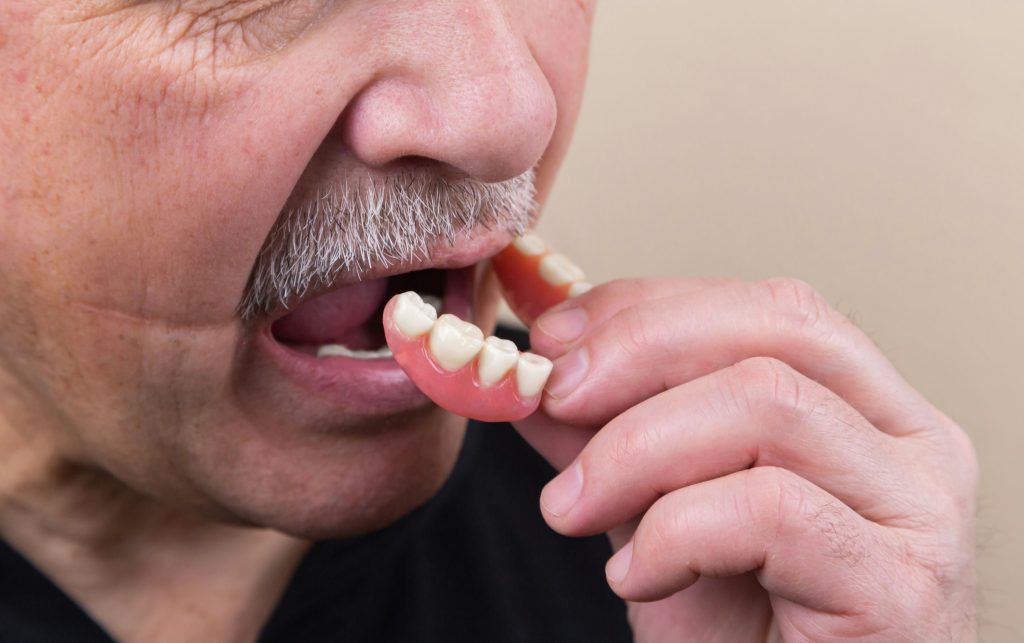
Dentures rely on gums and bone for support, and those tissues naturally change after tooth loss.
Dentures Interact With Changing Gums and Bone
After teeth are removed, the jawbone gradually shrinks because it no longer receives stimulation from natural roots. This process happens slowly but continuously, subtly changing the shape of the gums. Even well-fitting dentures can begin to feel different as the foundation underneath them changes.
Because dentures rest on soft tissue rather than being anchored like natural teeth, even small changes in gum contour can affect comfort, stability, and bite balance.
Why Discomfort Doesn’t Always Mean “Failure”
Many denture wearers assume discomfort means their dentures were made incorrectly. In reality, discomfort often signals that the mouth is adjusting or that small refinements are needed. Dentures are not static devices and typically require follow-up care.
Understanding this prevents unnecessary worry and encourages patients to seek timely adjustments rather than enduring avoidable discomfort.
Normal Adjustment vs Ongoing Problems
Mild soreness or pressure during the first few weeks is common. Pain that worsens, causes open sores, or interferes with eating and speaking is not. Persistent issues usually indicate a fit problem that should be addressed professionally.
7 Common Denture Problems and How to Fix Them
Here are the 7 most common denture problems and how to get them fixed:
#1. Sore Spots and Gum Irritation
Sore spots are among the most frequent denture complaints, particularly early on.
Why Pressure Points Develop
Dentures distribute chewing forces across the gums, but pressure is rarely perfectly even. Certain areas may bear more force, especially as bone and gum contours change over time. Because gum tissue is sensitive, even small pressure imbalances can cause irritation.
When Soreness Becomes a Problem
Light soreness during the adjustment period is expected, but sharp pain, persistent tenderness, or open sores are signs that the denture is pressing too hard in specific areas. Continuing to wear dentures without adjustment can slow healing and worsen irritation.
How Adjustments Resolve Irritation
Dentists correct sore spots by reshaping the denture base to redistribute pressure more evenly. These adjustments are typically quick and often provide immediate relief without replacing the denture.
#2. Dentures That Feel Loose or Shift While Talking
Loose dentures can affect confidence and daily comfort.
Why Dentures Become Loose Over Time
As jawbone continues to shrink, dentures lose some of their foundation and may begin to move during speech or chewing. This process is gradual, which is why looseness often develops slowly rather than all at once.
Even dentures that appear intact may no longer match the shape of the gums underneath them.
How Dentists Improve Stability
Dentists may recommend relining the denture to better match current gum contours, adjusting the fit, or correcting bite alignment. These solutions restore contact between the denture and gums, improving stability without full replacement.
#3. Difficulty Chewing or Uneven Bite
Chewing with dentures should feel controlled and balanced.
How Bite Alignment Affects Comfort and Function
If dentures don’t contact evenly, chewing forces become unbalanced. This can lead to jaw fatigue, sore spots, and reduced chewing efficiency. Patients may unconsciously favor one side, worsening the imbalance over time.
Correct bite alignment helps distribute pressure evenly and protects both the dentures and the supporting tissues.
#4. Clicking Sounds or Movement When Speaking
Speech-related changes are common, especially during adjustment.
Why Clicking and Speech Changes Occur
Dentures can allow small amounts of air to escape during speech, particularly if fit or stability is slightly off. Saliva changes and unfamiliar tongue positioning can also contribute. As the tongue and lips adapt, speech usually improves naturally.
If clicking persists, a minor adjustment often resolves the issue quickly.
#5. Dentures Causing Excess Saliva or Dry Mouth
Saliva changes are a common reaction to dentures.
Why Saliva Changes Happen and When to Be Concerned
Dentures are foreign objects, and the mouth may temporarily increase saliva production as a protective response. In other cases, dryness may occur due to medications, health conditions, or reduced saliva flow.
If saliva changes persist beyond the adjustment period, professional evaluation helps identify contributing factors and restore comfort.
#6. Denture Odor or Staining
Dentures require consistent hygiene to remain fresh and comfortable.
How Buildup Leads to Odor and Staining
Dentures accumulate plaque and bacteria just like natural teeth. Without daily cleaning, buildup can cause odor, discoloration, and gum irritation. Improper storage can worsen these issues.
Regular professional evaluations help identify hygiene or fit problems that contribute to odor and discomfort.
#7. Cracks, Chips, or Surface Wear
Physical damage should never be ignored.
Why Denture Damage Needs Prompt Attention
Dropping dentures, grinding, or years of wear can weaken materials. Even small cracks can affect fit and comfort if left untreated. DIY fixes often cause permanent damage and worsen alignment.
Dentists determine whether damage can be repaired or if replacement is the safer option.
When Denture Problems Shouldn’t Be Ignored
Some symptoms require prompt care:
Red Flags That Signal the Need for Professional Help
Persistent pain, instability, visible damage, or difficulty eating are signs dentures need professional evaluation. Waiting can worsen fit issues, increase irritation, and shorten denture lifespan.
Timely adjustments help dentures remain comfortable, functional, and stable over time.
Final Takeaway: Most Denture Problems Are Fixable!
Denture issues are common and usually manageable. Experiencing discomfort, looseness, or changes doesn’t mean dentures have failed; it often means they need adjustment or routine care.
With regular follow-ups and proper maintenance, most denture problems can be corrected, allowing dentures to continue providing comfort, function, and confidence long term.
Leave a Reply