Veneers are often discussed in terms of immediate cosmetic improvement, but many patients are more concerned about what happens years down the line.
Questions about enamel, tooth strength, sensitivity, and long-term health are common… and valid. Veneers change how teeth are protected and maintained, so understanding those changes is essential before making a decision.
When properly planned, veneers are designed to work with natural teeth rather than against them. Dentists evaluate how veneers interact with enamel, bite forces, and daily habits to ensure long-term stability. Knowing what to expect over time helps patients approach veneers with confidence instead of uncertainty.
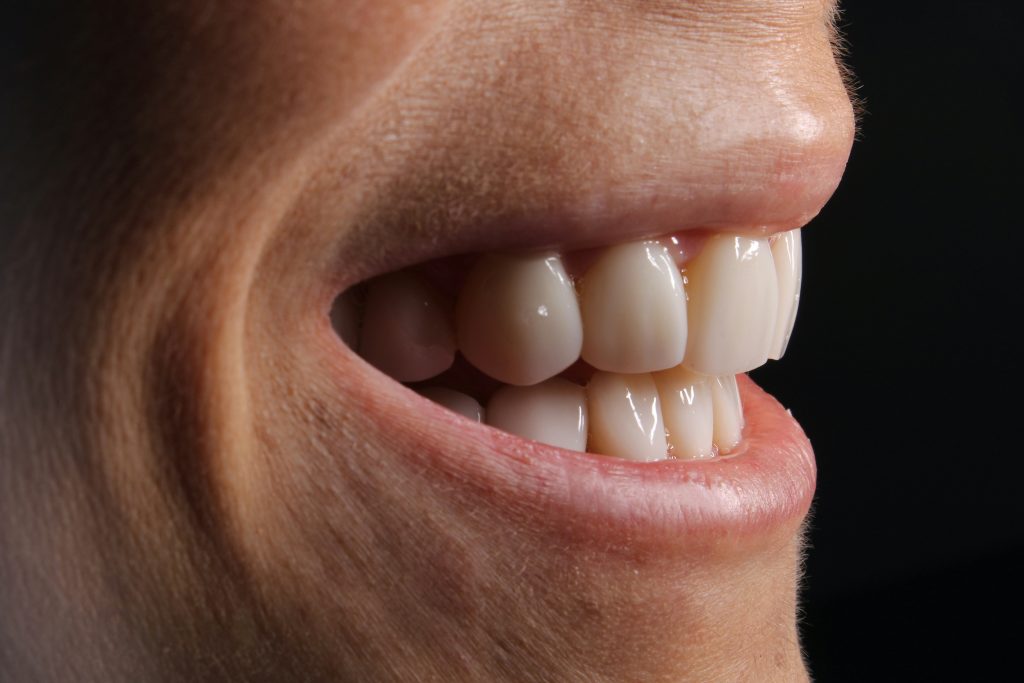
Why Patients Worry About Long-Term Effects
Concerns about durability and tooth health are a natural part of cosmetic decision-making.
Common Fears About Weakening or Damaging Teeth
Many patients worry that veneers permanently weaken teeth or make them more fragile. This fear often comes from misunderstanding how veneers are bonded and how much enamel is actually involved in preparation. Without proper context, permanence can sound risky rather than protective.
Dentists address these fears by explaining how veneers are designed to reinforce prepared teeth rather than leave them vulnerable.
Confusion Between Veneers and Crowns
Veneers are sometimes confused with crowns, which cover the entire tooth. Because crowns involve more aggressive reshaping, patients may assume veneers carry the same level of impact. In reality, veneers are far more conservative and focus primarily on the front surface of the tooth.
Understanding this distinction helps reduce unnecessary anxiety.
Why Long-Term Questions Are Reasonable and Healthy
Asking about long-term effects isn’t a sign of hesitation—it’s a sign of informed decision-making. Dentists expect these questions and use them to guide treatment planning. The goal is clarity, not pressure.
What Happens to Teeth Under Veneers
Veneers change how teeth are covered and protected, not how they function biologically.
How Veneers Bond to Enamel
Veneers are bonded directly to enamel using strong dental adhesives. This bond creates a unified structure where the veneer and tooth work together. The integrity of this bond is one reason enamel preservation is so important during preparation.
A strong bond supports durability and comfort over time.
Protection vs Dependency Explained Clearly
Once veneers are placed, the covered portion of the tooth depends on that veneer for protection. This doesn’t mean the tooth is weaker—it means protection has shifted from natural enamel to a restorative surface designed for longevity.
Dentists plan for this dependency intentionally.
Why Covered Teeth Behave Differently Over Time
Teeth with veneers experience wear differently than uncovered teeth. The veneer absorbs forces and resists staining, while the tooth underneath remains stable as long as margins are maintained. Regular monitoring ensures this balance remains healthy.
Enamel Changes and What They Mean Long Term
Enamel preservation is a cornerstone of responsible veneer planning.
Why Enamel Does Not Regenerate
Enamel is the hardest substance in the body, but it doesn’t regenerate once removed. Even minimal enamel reduction is permanent, which is why dentists approach veneer preparation conservatively. The goal is to remove only what’s necessary for fit and aesthetics.
This careful approach protects long-term tooth health.
How Conservative Preparation Minimizes Impact
Modern veneer techniques prioritize minimal preparation whenever possible. Dentists assess alignment, spacing, and bite to determine how little enamel needs to be adjusted. Conservative prep reduces sensitivity risk and preserves structural integrity.
Less removal generally means easier long-term maintenance.
What Dentists Monitor as Years Pass
Over time, dentists monitor veneer margins, gum health, and bite alignment. These factors influence how well veneers continue to protect underlying teeth. Early detection of changes prevents larger issues from developing.
How Veneers Influence Tooth Strength and Sensitivity
Strength and comfort are common concerns.
Sensitivity Early vs Long Term
Some patients experience temporary sensitivity after veneer placement as teeth adjust. This sensitivity usually resolves as the mouth adapts. Long-term sensitivity is uncommon when veneers are properly planned and bonded.
Persistent sensitivity is evaluated, not ignored.
Bite Forces and Stress Distribution
Veneers are designed to distribute bite forces evenly across the tooth surface. When bite alignment is correct, veneers do not overload teeth. Dentists carefully adjust bite contacts to prevent excessive stress.
Balanced forces protect both veneers and natural teeth.
Why Veneers Don’t “Weaken” Teeth When Planned Properly
Teeth prepared for veneers are not weakened by default. In many cases, veneers add strength by reinforcing the tooth surface. Problems typically arise from poor planning or untreated bite issues, not veneers themselves.
Oral Hygiene With Veneers Over the Years
Daily care remains essential after veneers.
Brushing and Flossing Around Veneer Margins
Patients must clean carefully along veneer edges where tooth and restoration meet. Plaque buildup in these areas can lead to decay if neglected. Proper brushing and flossing protect both the veneer and the underlying tooth.
Good hygiene supports long-term success.
Preventing Decay at the Edges
Veneers don’t decay, but the natural tooth beneath them can. Dentists emphasize regular cleanings and checkups to prevent issues at the margins. Prevention focuses on maintenance rather than repair.
Why Routine Care Matters More, Not Less
Some patients assume veneers reduce the need for care. In reality, consistent hygiene and professional monitoring become even more important to preserve results and tooth health.
Wear, Aging, and Replacement Cycles
Veneers are durable, but not permanent.
Normal Wear vs Problematic Changes
Over time, veneers may show normal signs of wear without affecting function. Dentists distinguish between cosmetic aging and structural issues. Monitoring helps determine when intervention is needed.
How Long Veneers Typically Protect Teeth
With proper care, veneers can protect teeth for many years. Longevity depends on material choice, habits, and maintenance. Dentists plan with long-term timelines in mind.
What Replacement Looks Like Years Later
Replacement involves removing old veneers and placing new ones, not leaving teeth exposed. Planning ahead makes this process predictable rather than stressful.
Habits That Help or Harm Teeth With Veneers
Daily behaviors influence outcomes.
Grinding, Clenching, and Night Protection
Grinding places excess force on veneers and teeth. Dentists may recommend protective appliances to reduce stress. Managing these habits preserves both veneers and natural teeth.
Diet, Staining, and Surface Wear
Hard foods, acidic drinks, and staining habits can affect veneer surfaces. Dentists provide guidance on protecting veneers without overly restricting lifestyle.
Lifestyle Choices That Affect Longevity
Smoking, poor hygiene, and skipped appointments shorten veneer lifespan. Healthy habits support stability and appearance over time.
How Dentists Monitor Teeth With Veneers Long Term
Ongoing care ensures longevity.
Regular Exams and Imaging
Dentists use exams and imaging to monitor veneer integrity and underlying tooth health. This allows early intervention when changes occur.
Early Signs Dentists Watch For
Minor margin changes, bite shifts, or gum irritation are addressed promptly. Early action prevents larger problems later.
Why Maintenance Prevents Bigger Issues
Regular monitoring keeps veneers functioning as intended and protects natural teeth. Maintenance is proactive, not reactive.
Final Takeaway: Veneers Change Teeth — but That Isn’t a Bad Thing
Veneers do change how teeth are protected and maintained, but change does not equal damage. When thoughtfully planned and properly maintained, veneers can support long-term tooth health while providing lasting aesthetic benefits. Understanding these changes allows patients to make informed decisions without fear.
With professional guidance and consistent care, veneers can remain a stable, protective part of a healthy smile for many years.
Leave a Reply