Eating with dentures is one of the biggest adjustments patients face after tooth loss. Even when dentures fit well, chewing can feel unfamiliar at first, which often leads to frustration or self-doubt. These reactions are normal and expected, but they can be discouraging without proper context.
The truth is that eating with dentures is a skill that develops over time. Understanding what changes, why those changes happen, and how dentists help patients adapt makes the process far less overwhelming.
With patience, practice, and proper support, most people regain confidence and comfort at the table.
Why Eating Feels Different With Dentures at First
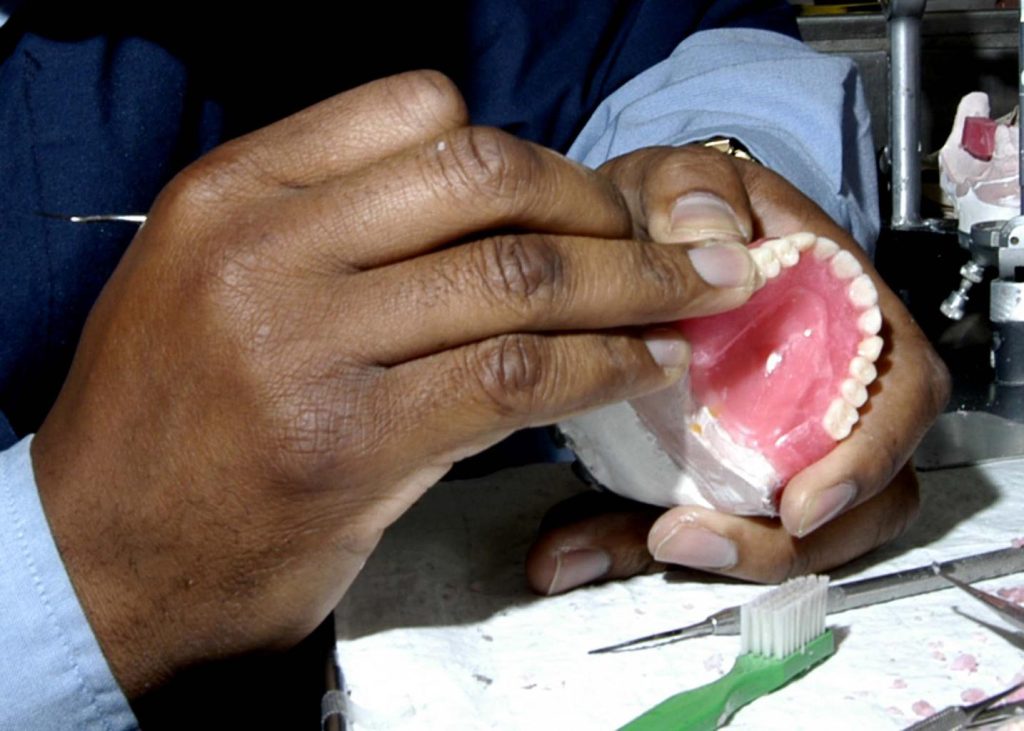
Customized dentures change how the mouth experiences pressure and movement during chewing.
Loss of Natural Tooth Feedback and Pressure Sensation
Natural teeth are anchored in bone and surrounded by nerves that provide constant feedback. Dentures rest on gums instead of roots, which means that pressure and texture are felt differently. This change can make food feel less stable or predictable at first.
The brain needs time to adapt to these new sensations.
How Dentures Interact With Gums Instead of Roots
Because dentures sit on soft tissue, chewing pressure is distributed differently than it is with natural teeth. Gums compress slightly under force, which can affect control and confidence. This doesn’t mean dentures are failing; it means the mouth is learning a new system.
Proper fit helps manage these differences.
Why Adjustment Varies From Person to Person
Some people adapt quickly, while others need more time. Factors like denture type, previous tooth loss, muscle coordination, and expectations all play a role. Dentists normalize this variation so patients don’t feel discouraged if progress feels slow.
Foods That Are Usually Easier Early On
Early food choices can build confidence and control.
Soft Foods That Support Confidence and Control
Soft foods like eggs, yogurt, mashed vegetables, and tender proteins are often easier to manage during the early adjustment period. These foods require less force and reduce the chance of denture movement.
Starting with softer textures helps patients regain comfort without pressure.
Why Texture Matters More Than Flavor
Texture plays a bigger role than taste when learning to chew with dentures. Foods that are smooth and cohesive stay together during chewing, making them easier to control. Crumbly or sticky textures tend to be more challenging early on.
Choosing the right textures supports success.
How Gradual Progression Builds Comfort
As confidence improves, patients can slowly introduce firmer foods. Gradual progression allows muscles and coordination to adapt naturally. Dentists often recommend taking small steps rather than rushing back to normal eating habits.
Foods That Often Take More Time to Master
Some textures require practice and patience.
Chewy and Sticky Foods
Chewy foods like bagels or sticky items like caramel can dislodge dentures or pull against them. These foods require even pressure and controlled chewing, which develops with time.
Avoiding them early helps prevent frustration.
Hard or Crunchy Textures
Hard foods such as nuts or raw vegetables require stronger bite forces and precise control. Dentures don’t deliver pressure the same way natural teeth do, which can make these foods challenging at first.
Dentists often recommend delaying these foods until confidence improves.
Why Bite Distribution Matters With Dentures
Chewing evenly on both sides helps stabilize dentures. Favoring one side can cause rocking or shifting. Learning balanced chewing is one of the most important skills for long-term comfort.
Techniques That Make Eating With Dentures Easier
Simple strategies make a big difference.
Cutting Food Into Smaller Pieces
Smaller pieces are easier to control and require less force. Cutting food before eating reduces strain on gums and improves stability. This technique helps patients focus on coordination rather than force.
Over time, reliance on this technique often decreases.
Chewing Evenly on Both Sides
Balanced chewing distributes pressure evenly and reduces denture movement. Dentists often coach patients on this habit during follow-up visits. It may feel unnatural at first but becomes automatic with practice.
Consistency builds stability.
Slowing Down and Managing Expectations
Eating slowly allows better control and awareness of denture movement. Rushing increases the chance of discomfort or shifting. Dentists encourage patience and remind patients that progress is gradual.
How Denture Fit Affects Eating Comfort
Fit plays a critical role in chewing success.
Why Even Small Fit Issues Change Chewing
Minor pressure points or uneven contact can affect how dentures behave during meals. These issues may not be noticeable at rest but become obvious while eating. Dentists evaluate fit based on function, not just appearance.
Adjustments often improve comfort quickly.
Sore Spots, Pressure Points, and Control
Sore spots can make chewing uncomfortable and lead patients to avoid certain foods. Dentists address these areas through targeted adjustments that improve pressure distribution.
Ignoring soreness usually makes adaptation harder, not easier.
When Adjustments Make a Big Difference
Follow-up visits allow dentists to fine-tune fit as gums adapt. These adjustments are a normal part of the process and often lead to immediate improvement in eating comfort.
Partial vs Full Dentures and Eating Differences
Denture type influences adaptation.
Stability Differences Between Partials and Full Dentures
Partial dentures often feel more stable because they work alongside natural teeth. Full dentures rely entirely on gum support, which can feel less secure initially.
These differences affect how quickly patients regain confidence.
Role of Remaining Natural Teeth
Natural teeth provide feedback and anchoring that help with chewing. Patients with partial dentures often adapt faster because their bite still includes natural tooth sensation.
Dentists account for this when setting expectations.
How Adaptation Timelines Vary
Full denture wearers may need more time to master chewing techniques. Dentists emphasize patience and ongoing support during this phase.
Common Frustrations and How Dentists Address Them
Challenges are expected and manageable.
Food Slipping Under Dentures
Food particles can occasionally slip under dentures, especially early on. Dentists evaluate fit and provide guidance on cleaning and technique to minimize irritation.
This issue usually improves with adjustments.
Loss of Bite Strength
Dentures don’t deliver the same bite force as natural teeth. Dentists help patients adapt by choosing appropriate foods and refining chewing techniques.
Strength improves with coordination, not force.
When Professional Help Improves Outcomes
Persistent discomfort or difficulty should be addressed professionally. Dentists can identify issues patients may not recognize and provide solutions that speed adaptation.
Long-Term Eating Comfort With Dentures
Comfort improves with time and care.
How Confidence Improves Over Time
As patients gain experience, eating becomes more natural. Muscles adapt, coordination improves, and anxiety decreases. Confidence often returns gradually rather than all at once.
Progress is cumulative.
What “Normal” Feels Like After Adaptation
Most patients eventually eat comfortably without thinking about their dentures. While some foods may always require care, daily meals become routine again.
Dentists help patients define realistic expectations.
Why Ongoing Care Supports Function
Regular checkups ensure dentures continue to fit as gums change. Ongoing care supports comfort, confidence, and long-term function.
Final Takeaway: Eating With Dentures Is a Skill, Not a Failure
Learning to eat with dentures takes time, patience, and support. Early challenges don’t indicate failure; they reflect a natural adjustment process. With proper fit, guidance, and realistic expectations, most patients regain comfortable eating habits.
Dentists play a key role in helping patients navigate this transition, ensuring that dentures support not just appearance, but daily life as well.
Leave a Reply