When people start exploring cosmetic dental treatments, three options often come up early: veneers, bonding, and crowns. At a glance, they may seem interchangeable because all three can improve the appearance of teeth.
In reality, they serve very different purposes, involve different levels of tooth preparation, and are designed to solve different types of problems.
Understanding how these options differ helps patients make decisions that align with their smile goals, tooth health, and long-term expectations. This guide breaks down veneers, bonding, and crowns in plain language, focusing on when each option tends to make sense and why dentists approach these choices carefully.
Why These Three Options Are Often Compared
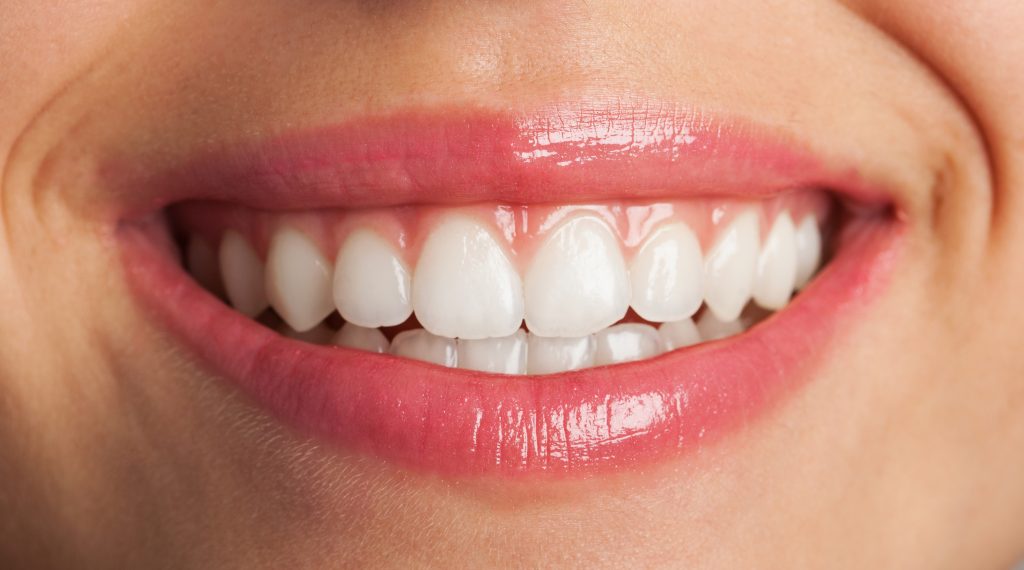
Veneers, bonding, and crowns are often grouped together because they all change how teeth look. However, that comparison can be misleading without proper context.
All Improve Appearance but in Very Different Ways!
Bonding modifies the tooth directly, veneers cover the front surface, and crowns fully encase the tooth. Each approach changes appearance through a different mechanism, which affects durability, reversibility, and long-term outcomes.
Why Online Advice Often Oversimplifies the Choice
Online content frequently frames these treatments as aesthetic alternatives rather than functional solutions. In practice, dentists evaluate tooth structure, bite, and health before aesthetics even enter the conversation.
When Comparing Makes Sense (and When It Doesn’t)
Comparison is useful when multiple cosmetic paths are viable. It’s less useful when tooth damage or structural issues limit the available options.
What Dental Bonding Is
Dental bonding is considered one of the most conservative cosmetic dental treatments because it focuses on making small, targeted improvements while preserving the natural tooth structure. Unlike treatments that require significant reshaping of the tooth, bonding often involves minimal alteration, which makes it appealing for patients who want subtle changes without committing to more extensive procedures.
Bonding is typically used to refine existing teeth rather than transform them entirely. Because of its conservative nature, it is often explored early in the cosmetic decision-making process, especially when the underlying teeth are healthy and structurally sound.
How Bonding Works and What It’s Made Of
Bonding uses a tooth-colored composite resin that is applied directly to the surface of the tooth. This resin is similar to the material used for many modern fillings and is designed to blend visually with natural enamel.
During the process, the dentist prepares the tooth surface so the material adheres properly, then carefully shapes the resin to achieve the desired look. Once shaped, the material is hardened using a special curing light and polished to create a smooth, natural finish.
Because the resin is applied and sculpted directly on the tooth, bonding allows for immediate adjustments. This flexibility makes it possible to fine-tune shape and contour in real time, which is one reason bonding can often be completed in a single visit.
Common Cosmetic Issues Bonding Can Address
Bonding is commonly used to correct small cosmetic imperfections. These include minor chips, small gaps between teeth, uneven edges, or slight shape irregularities. It can also be helpful for masking small areas of discoloration or wear.
Bonding works best when the changes needed are limited in scope. Teeth with strong structure and minimal damage are ideal candidates, as bonding relies on the existing tooth for support.
Situations Where Bonding May Fall Short
While bonding is versatile, it has limitations. Composite resin is more prone to staining and surface wear over time compared to other materials. It may also be less durable in areas exposed to heavy bite forces, such as the edges of front teeth in patients who clench or grind.
For larger cosmetic changes or situations where durability is a priority, bonding may not provide the long-term results some patients expect. Understanding these limitations helps set realistic expectations and guides appropriate treatment selection.
What Veneers Are
Veneers sit between bonding and crowns in terms of coverage and durability.
How Veneers Improve Shape, Color, and Alignment
Veneers improve a smile by covering the front-facing surface of the teeth, which is the area most visible when speaking or smiling. By placing a thin layer over this surface, dentists can make precise adjustments to tooth shape, length, width, and spacing. This allows uneven edges to be smoothed, teeth to appear more symmetrical, and small gaps to be closed without moving the teeth themselves.
Color is another major factor. Veneers can mask discoloration that doesn’t respond well to whitening, helping create a brighter and more uniform appearance across multiple teeth. Because veneers are customized for each tooth, dentists can also control how light reflects off the surface, which plays a big role in achieving a natural-looking result.
In terms of alignment, veneers don’t physically reposition teeth like orthodontics does, but they can visually correct mild misalignment. Slight rotations, overlaps, or uneven spacing can often be disguised through careful shaping, creating the appearance of a straighter smile without changing the underlying tooth position.
Veneers as a Cosmetic Layer vs Structural Repair
It’s important to understand that veneers are designed to enhance appearance, not to rebuild or reinforce damaged teeth. Unlike crowns, which fully cover and protect a tooth, veneers act as a cosmetic layer bonded to the front surface.
Because of this, veneers rely on the existing tooth structure for support. Teeth with significant decay, fractures, or large fillings may not be ideal candidates without additional treatment. Dentists evaluate whether the underlying tooth is healthy enough to support a veneer before recommending this option.
This distinction matters because it helps set realistic expectations. Veneers can dramatically improve how teeth look, but they are not intended to solve structural problems or restore weakened teeth.
When Veneers Are Typically Considered
Veneers are often considered when cosmetic concerns affect multiple teeth and consistency is important. Patients who want uniform color, shape, and spacing across their smile may benefit from veneers more than isolated treatments like bonding.
They’re also commonly explored when patients want longer-lasting aesthetic improvements and are willing to commit to a cosmetic-focused solution. Veneers are typically part of a broader smile-planning conversation rather than a quick fix for a single issue.
At this stage, many patients begin learning about veneers as a cosmetic solution and how they differ from more conservative treatments, like bonding, or more restorative options, like crowns. Understanding this context helps patients decide whether veneers align with both their goals and their long-term expectations.
What Dental Crowns Are
Dental crowns are fundamentally different from bonding and veneers because they are designed to restore and protect the entire tooth, not just improve how it looks. While bonding and veneers focus on cosmetic enhancement, crowns serve a restorative role by reinforcing teeth that have been weakened by damage, decay, or previous dental work.
A crown acts like a protective cap that completely covers the visible portion of the tooth above the gumline. By encasing the tooth, crowns help distribute biting forces more evenly and reduce the risk of further damage. This makes them especially important when a tooth can no longer safely function on its own.
How Crowns Differ From Cosmetic-Only Treatments
Unlike cosmetic-only treatments, crowns are not limited to surface improvements. A crown restores both appearance and strength by surrounding the entire tooth structure. This full coverage allows dentists to rebuild a tooth that has lost a significant amount of its natural structure.
Because crowns reinforce the tooth, they are often used when cosmetic treatments alone would not provide enough protection. While a crown can be shaped and colored to look natural, its primary purpose is stability and durability, with aesthetics being a secondary benefit.
This distinction is important for patients who may be comparing crowns to veneers or bonding based solely on appearance. Even if the visual outcome looks similar, the function and long-term role of a crown are very different.
Structural Coverage vs Surface Enhancement
Bonding and veneers enhance the surface of a tooth by modifying or covering the front-facing area. Crowns, on the other hand, rebuild the tooth from all sides. This structural coverage allows crowns to restore proper shape, height, and function to teeth that have been compromised.
Because crowns cover the entire tooth, they can protect against cracks spreading, further decay, and excessive wear. This level of coverage is why crowns are classified as restorative treatments rather than purely cosmetic solutions.
When Crowns Are Medically Necessary
Crowns are commonly recommended when a tooth has been significantly weakened. This includes situations involving large fillings, fractures, or teeth that have undergone root canal treatment. In these cases, the remaining tooth structure may not be strong enough to withstand normal chewing forces.
Rather than focusing on cosmetic improvement alone, crowns prioritize protecting the tooth and preserving long-term oral health. When structural integrity is at risk, a crown may be the safest and most reliable option to prevent future complications.
Veneers vs Bonding vs Crowns: Core Differences
The key differences come down to coverage, preparation, and purpose.
Amount of Tooth Coverage Involved
Bonding covers small areas, veneers cover the front surface, and crowns cover the entire tooth.
Level of Tooth Preparation Required
Bonding typically requires minimal preparation. Veneers require selective enamel reshaping. Crowns involve more extensive preparation.
Cosmetic vs Restorative Focus
Bonding and veneers are cosmetic-first. Crowns are restorative-first, with appearance as a secondary benefit.
Appearance and Aesthetic Control
Not all cosmetic options offer the same level of visual precision.
Precision and Customization Differences
Veneers and crowns allow for greater control over shape and color consistency compared to bonding.
Color Stability and Long-Term Appearance
Bonding can discolor over time, while veneers and crowns are more resistant to staining.
Natural Look vs Noticeable Repair
When done well, all three can look natural, but longevity of aesthetics varies by material.
Durability and Longevity Expectations
How long a treatment lasts is a major consideration.
How Long Bonding Typically Lasts
Bonding often requires touch-ups or replacement sooner than other options due to wear and staining.
Longevity Expectations for Veneers
Veneers generally last longer than bonding when properly maintained and matched to the patient’s bite.
Why Crowns Are Often the Most Durable Option
Crowns are designed to withstand chewing forces and protect damaged teeth, making them the most durable overall.
Maintenance, Repairs, and Future Changes
Each option has different long-term implications.
Ease of Repair for Bonding
Bonding can usually be repaired or modified easily, which appeals to patients who value flexibility.
What Happens if Veneers Are Damaged
Veneers may require replacement if damaged, depending on severity and material.
Long-Term Maintenance Considerations for Crowns
Crowns focus more on preservation and protection than cosmetic adjustment.
How Dentists Help Match the Right Option to the Patient
Dentists don’t choose treatments in isolation.
Smile Goals vs Underlying Tooth Health
Aesthetic desires must align with what the tooth can structurally support.
Bite Forces, Habits, and Risk Factors
Grinding, clenching, and diet all influence which option performs best long term.
Why the “Best” Option Depends on Context
What works well for one patient may be inappropriate for another, even with similar cosmetic goals.
Final Takeaway: Choosing the Option That Fits Your Smile Goals
Bonding, veneers, and crowns all improve smiles, but they solve different problems. Bonding offers conservative, flexible cosmetic changes. Veneers provide long-term aesthetic enhancement without full coverage. Crowns restore strength while improving appearance.
The right choice depends on tooth health, goals, habits, and expectations. Understanding these differences helps patients have more productive conversations and choose options that support both confidence and oral health over time.
Leave a Reply