Cavities are common, but not all cavities are the same. Some develop slowly and remain shallow for years, while others progress quickly and compromise tooth structure. This is why dentists do not treat every cavity identically. The decision to place a filling depends on how far decay has progressed and how likely it is to worsen.
Many patients are surprised to learn that dentists sometimes recommend monitoring a cavity instead of treating it right away. This approach is not neglectful; it is based on risk assessment and clinical findings.
Understanding how dentists evaluate cavities helps patients feel more confident in treatment recommendations.
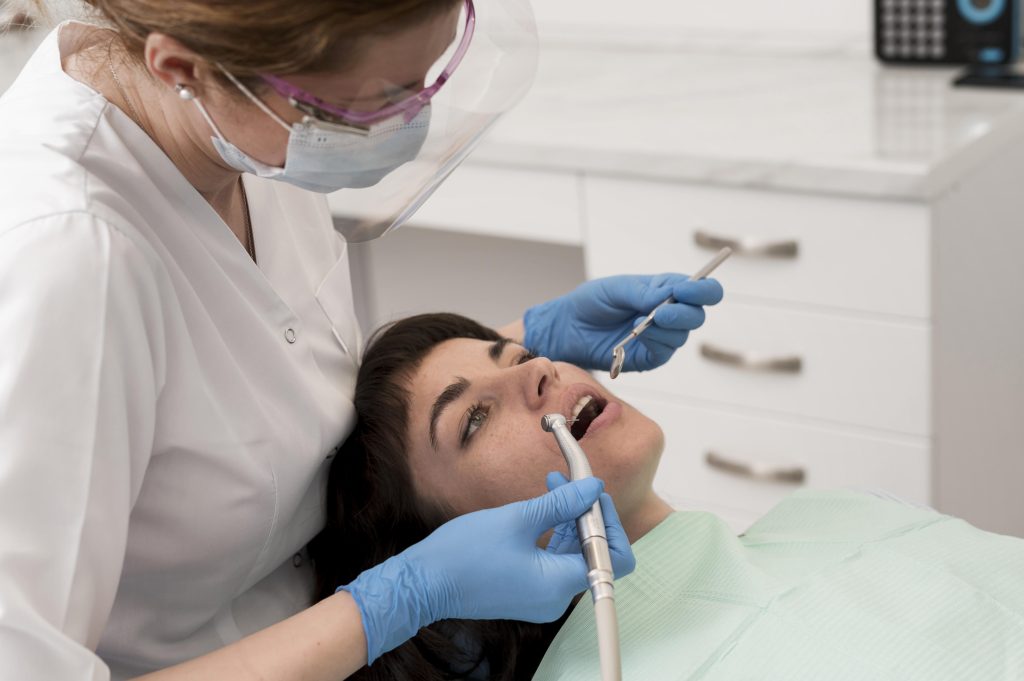
How Cavities Form and Progress
Cavities begin when bacteria in the mouth produce acids that weaken tooth enamel. This process happens gradually and is influenced by diet, oral hygiene, and saliva flow. Early decay may not cause pain or visible damage. Dentists monitor this progression carefully.
Early Enamel Changes vs Deeper Decay
Early decay often starts as demineralization of enamel, which weakens the tooth surface without creating a hole. At this stage, the enamel may still be intact and capable of remineralizing. Once decay breaks through enamel into dentin, progression accelerates. Dentists treat these stages very differently.
Why Cavities Don’t All Progress at the Same Rate
Some cavities remain stable for long periods, especially in low-risk patients. Others progress quickly due to diet, oral hygiene habits, or location. Genetics and saliva quality also play roles. Dentists evaluate risk factors before recommending treatment.
How Location Affects Risk
Cavities between teeth or in deep grooves are harder to clean and more likely to worsen. Smooth surface cavities may progress more slowly. Location influences both monitoring decisions and treatment timing. Dentists consider accessibility and plaque retention.
When a Cavity May Not Need Immediate Treatment
Not every cavity requires immediate intervention. Dentists sometimes recommend observation when decay is shallow and risk is low. This approach focuses on prevention rather than drilling. Monitoring is an active decision, not avoidance.
Early Demineralization and Monitoring
When enamel shows early mineral loss without structural breakdown, dentists may recommend fluoride and monitoring. X-rays and visual exams track progression. Many early lesions stabilize with improved care. Monitoring avoids unnecessary removal of healthy tooth structure.
Role of Fluoride and Remineralization
Fluoride strengthens enamel and helps reverse early mineral loss. Saliva also supports natural repair processes. Together, these factors can halt early decay. Dentists rely on these biological mechanisms when appropriate.
Why Observation Is Sometimes Appropriate
Treating too early can weaken a tooth unnecessarily. Dentists balance intervention against preservation. Observation is chosen when benefits outweigh risks. Follow-up ensures decay does not progress unnoticed.
When Dentists Recommend a Filling
Dentists recommend fillings when decay compromises tooth structure. At this point, natural repair is no longer possible. Treating decay early prevents larger problems later. Fillings restore function and stop progression.
Breakdown of Tooth Structure
Once enamel breaks, bacteria spread more easily into dentin. Dentin decay progresses faster and weakens the tooth. Structural integrity becomes a concern. A filling stabilizes the area.
Symptoms vs Silent Decay
Some cavities cause pain, while others remain silent. Absence of symptoms does not mean absence of risk. Dentists rely on exams and imaging rather than discomfort alone. Silent decay often still needs treatment.
Preventing Further Damage
Untreated cavities grow larger and deeper. Early fillings preserve more tooth structure. Delaying treatment increases complexity. This is why dentists intervene once thresholds are crossed.
How Dentists Decide Between Monitoring and Treating
Treatment decisions are individualized. Dentists consider cavity depth, location, risk factors, and patient history. The goal is long-term tooth preservation. Decisions are not one-size-fits-all.
X-Rays, Visual Exams, and Risk Factors
X-rays reveal decay beneath the surface. Visual exams assess enamel integrity. Risk factors such as diet and oral hygiene influence decisions. Dentists combine data to guide recommendations.
Patient History and Cavity Risk
Patients with frequent cavities may need earlier intervention. Low-risk patients may benefit from monitoring. Past experience predicts future risk. Dentists use history as a planning tool.
Balancing Prevention and Intervention
Preventive care is ideal when possible. Intervention becomes necessary when decay advances. Dentists aim to act at the right time. This balance protects tooth longevity.
Not Every Cavity Is the Same
Cavities exist on a spectrum, not a binary scale. Some require immediate treatment, while others can be monitored safely. Dentists base decisions on science, risk, and preservation. Understanding this process helps patients feel informed and confident.
Leave a Reply