Many people expect dentures to behave like permanent fixtures once they’re made. When changes happen months or years later, it can feel confusing or even alarming. In reality, dentures are designed to function in a mouth that continues to change, which means adjustments are not a sign of failure but a normal part of care.
Understanding why dentures change over time helps patients feel more confident and less anxious when something feels different. Dentists plan for these changes from the beginning, knowing that comfort and function are maintained through ongoing evaluation rather than a one-time fitting.
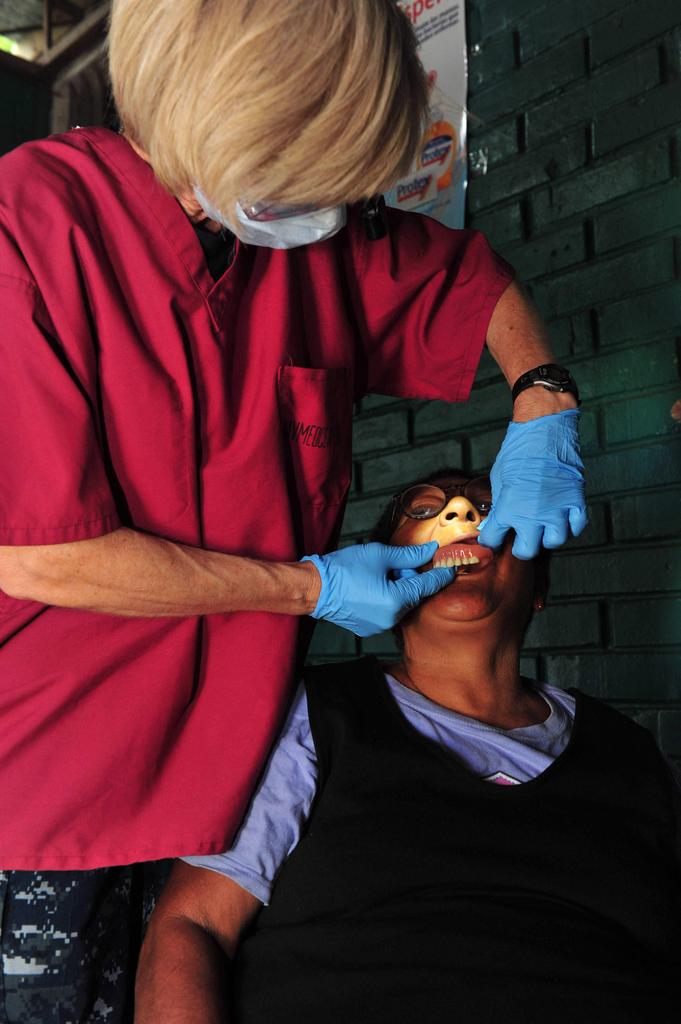
Why Dentures Don’t Stay Exactly the Same Forever
Dentures are stable devices, but the environment they sit in is not static.
Dentures Sit on Living Tissue, Not Static Surfaces
Unlike natural teeth, dentures rest on gums and underlying bone rather than being anchored in place. Gums are living tissue that respond to pressure, healing, and time. As a result, the foundation supporting dentures slowly evolves.
Even well-made dentures are affected by these biological changes.
Normal Wear From Daily Use
Dentures are used every day for chewing, speaking, and swallowing. Over time, normal wear affects how surfaces contact each other and how pressure is distributed. This wear is gradual and often subtle.
As materials wear, bite balance can shift slightly without being immediately noticeable. Dentists watch for these small changes because they can influence comfort long before obvious problems appear.
Why Change Doesn’t Mean Something Is Wrong
Change doesn’t automatically mean dentures are failing or poorly made. It usually reflects natural adaptation within the mouth. Adjustments help maintain comfort as conditions shift.
Dentists expect these changes and plan for them as part of long-term care. Viewing adjustments as routine maintenance helps patients avoid unnecessary worry.
How Gums and Jawbone Change After Tooth Loss
The biggest driver of denture change comes from what happens beneath them.
Bone Resorption Explained Simply
After teeth are lost, the jawbone no longer receives stimulation from tooth roots. Over time, the bone slowly shrinks in a process called resorption. This happens gradually and continues throughout life.
Bone loss changes how dentures sit and feel.
How Gum Shape Slowly Shifts
As bone resorbs, the gums above it also change shape. Areas that once provided support may flatten or recede slightly. These shifts can affect stability and pressure distribution.
Dentures must adapt to these changes to remain comfortable.
Why These Changes Affect Denture Fit
Dentures are custom-made to match gum contours at a specific moment in time. When those contours change, fit can feel looser or uneven. Adjustments restore balance between denture and tissue.
Even small tissue changes can have a noticeable effect on chewing or speaking. This is why regular evaluation is important, even when dentures appear unchanged.
Common Changes Patients Notice Over Time
Patients often notice small differences before major discomfort appears.
Looseness or Movement
One of the most common changes is a feeling that dentures move more during speaking or eating. This usually reflects subtle tissue changes rather than sudden failure. Even small gaps between denture and gum can affect stability.
Early adjustments often resolve this quickly.
Pressure Spots or Soreness
As fit changes, pressure may concentrate in certain areas. This can cause sore spots that weren’t present before. These areas usually signal the need for minor reshaping rather than replacement.
Ignoring soreness can make adaptation harder.
Subtle Bite or Speech Changes
Some patients notice changes in how their bite feels or how certain words sound. These changes often result from slight shifts in denture position. Dentists evaluate bite balance to restore comfort and clarity.
What Denture Adjustments Actually Do
Adjustments are targeted refinements, not major overhauls.
Relieving Pressure and Sore Spots
Dentists adjust denture surfaces to redistribute pressure more evenly across the gums. This relieves irritation and allows tissue to heal. Adjustments are precise and conservative.
Most patients feel improvement quickly.
Improving Stability and Balance
Small refinements can improve how dentures sit during function. Adjusting contact points helps reduce rocking or shifting. Stability plays a major role in comfort and confidence.
Balanced dentures are easier to control.
Restoring Comfort Without Replacement
Many issues can be corrected without making new dentures. Adjustments extend the life of existing dentures while maintaining comfort. Replacement is considered only when adjustments are no longer effective.
Dentists prioritize preservation whenever possible to avoid unnecessary disruption. This approach allows patients to maintain familiar dentures while restoring proper function.
Relines vs Adjustments vs Replacement
Different solutions address different problems.
What an Adjustment Addresses
Adjustments reshape specific areas of the denture to improve comfort or bite balance. They’re used when fit is mostly good but needs refinement. Adjustments are common and expected.
They don’t change the entire denture base.
When Relines Are Recommended
Relines involve adding material to the underside of dentures to match new gum contours. They’re used when overall fit has changed but the denture structure is still sound. Relines restore close contact with tissue.
They’re a normal part of long-term care.
How Dentists Decide Replacement Is Needed
Replacement is recommended when dentures can no longer be adjusted or relined effectively. Significant wear, damage, or loss of support may require new dentures. Dentists weigh comfort, function, and long-term outcomes.
Replacement is a planned decision, not a sudden one.
How Often Dentures Typically Need Attention
Care timelines vary by individual.
Early Adjustment Period
The first few months after receiving dentures often involve several adjustments. This period allows dentists to refine fit as tissues heal and adapt. Frequent visits early on are normal.
This phase sets the foundation for comfort.
Long-Term Maintenance Timelines
After the initial period, dentures usually require periodic checkups rather than frequent changes. Dentists monitor fit and function during routine visits. Maintenance focuses on prevention.
Small updates help avoid bigger problems.
Why Waiting Too Long Causes Problems
Delaying care when changes are noticed can worsen discomfort and tissue irritation. Early intervention is simpler and more effective. Dentists encourage patients to speak up as soon as something feels off.
Waiting too long can also allow minor fit issues to affect eating or speech. Addressing problems early helps preserve comfort and confidence.
Why Some People Need More Adjustments Than Others
Not everyone experiences change at the same pace.
Bone Density and Healing Patterns
Bone loss varies from person to person. Some people experience faster changes, while others remain stable longer. Healing patterns also influence how gums respond to pressure.
Dentists tailor care to these differences.
Bite Forces and Oral Habits
Clenching, grinding, or uneven chewing can accelerate wear and fit changes. These habits place extra stress on dentures and tissues. Dentists consider these factors when planning adjustments.
Managing habits supports longevity.
Denture Design and Materials
Design choices and materials influence how dentures age. Some designs distribute pressure more evenly than others. Dentists factor these elements into long-term care strategies.
How Dentists Monitor Dentures Over the Years
Ongoing monitoring keeps dentures comfortable.
What Dentists Look For During Checkups
Dentists evaluate fit, tissue health, bite alignment, and denture surfaces. These assessments identify early signs of change. Regular exams allow small issues to be corrected promptly.
Monitoring protects both comfort and oral health.
Preventing Small Issues From Becoming Big Ones
Minor looseness or irritation can escalate if ignored. Dentists address early changes to prevent pain or instability. Proactive care saves time and discomfort.
Prevention is easier than repair.
Why Proactive Care Protects Comfort
Routine evaluations help dentures adapt as the mouth changes. This ongoing relationship between patient and dentist supports long-term success. Comfort is maintained through attention, not perfection.
Patients who attend regular checkups often experience fewer disruptions over time. Proactive care keeps adjustments small and manageable rather than urgent.
Final Takeaway: Adjustments Are Part of Denture Care, Not a Failure
Dentures are designed to work with a changing mouth, not against it. Adjustments, relines, and evaluations are expected parts of denture care, not signs that something went wrong. Understanding this helps patients approach changes calmly and confidently.
With regular care and open communication, dentures can remain comfortable, functional, and supportive for many years. Adjustments aren’t setbacks—they’re how dentures continue to fit real life.
Leave a Reply