Many people assume dentures are a permanent solution that, once made, should last forever. In reality, dentures are designed to function inside a mouth that continues to change over time. While they can last for many years, their lifespan depends on material durability, daily use, oral health changes, and ongoing professional care.
Understanding how long dentures typically last and what causes them to wear out sooner, helps patients set realistic expectations and make informed decisions about maintenance.
Denture longevity is influenced not only by how the dentures are made, but also by how the mouth adapts and how consistently issues are addressed as they arise.
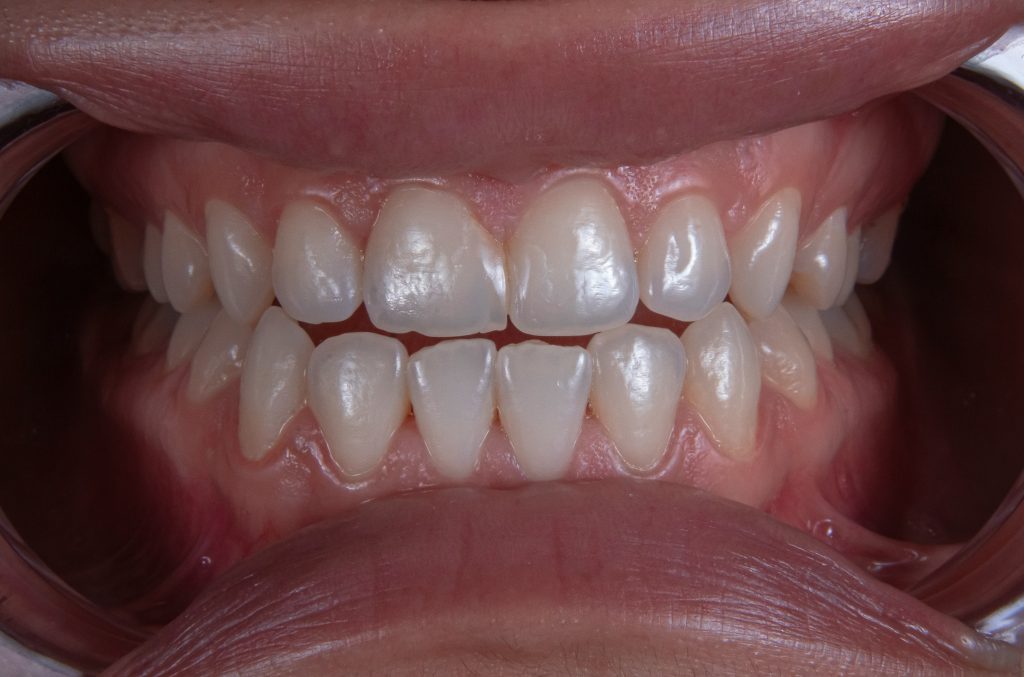
Why Dentures Don’t Last Forever
Dentures are built to withstand everyday use, but they are not immune to physical wear or biological changes.
Dentures Are Worn Daily Under Real-World Conditions
Dentures are exposed to constant chewing forces, temperature changes, and moisture throughout the day. Over time, these conditions contribute to gradual surface wear and material fatigue. Even high-quality dentures experience subtle changes as they are used during normal eating and speaking.
As wear accumulates, the way dentures contact the gums and opposing teeth can slowly shift, affecting comfort and performance if not monitored.
Why Gums and Bone Change Over Time
After natural teeth are lost, the jawbone begins to shrink because it no longer receives stimulation from tooth roots. This process continues throughout life and gradually alters the shape of the gums that support dentures. As a result, dentures that once fit well may begin to feel loose or uneven.
These biological changes occur regardless of denture quality and are a major reason long-term adjustments are needed.
Denture Wear vs Mouth Changes
Sometimes dentures appear intact while discomfort develops underneath. In these cases, the issue is often related to changes in gum and bone structure rather than damage to the dentures themselves. Dentists evaluate both denture condition and oral anatomy when assessing longevity, because addressing only one factor rarely solves the problem completely.
Average Lifespan of Dentures (What Patients Can Expect)
While every patient’s experience is different, dentists use general benchmarks when discussing denture lifespan.
Typical Lifespan Range for Well-Maintained Dentures
With proper care, many dentures last several years before requiring significant updates. Durable materials are designed to handle daily use, but no denture is immune to long-term wear or anatomical changes.
Regular checkups and maintenance help dentures reach the upper end of their expected lifespan.
Why “Still Usable” Doesn’t Always Mean “Still Fitting Well”
Dentures may remain intact while slowly becoming less comfortable. Fit changes often happen gradually, making them easy to ignore until chewing or speech becomes affected. Dentists focus on comfort, stability, and bite balance; not just whether dentures look undamaged.
Function matters as much as appearance when determining whether dentures are still serving their purpose.
How Dentists Define End-of-Life for Dentures
End-of-life doesn’t always involve visible cracks or breaks. Persistent discomfort, repeated adjustments, or declining chewing efficiency often signal that replacement may provide better results. Dentists evaluate whether ongoing repairs are restoring function or merely delaying an inevitable replacement.
Factors That Help Dentures Last Longer
Consistent care and professional oversight significantly influence denture longevity.
Proper Daily Cleaning and Handling
Daily cleaning removes plaque and bacteria that can damage denture surfaces and irritate gums. Careful handling during cleaning also reduces the risk of accidental drops, which are a common cause of fractures or chips.
Together, good hygiene and mindful handling protect both the dentures and the tissues they rest on.
Consistent Fit and Bite Adjustments
Small fit changes are normal over time as the mouth adapts. Dentists make periodic adjustments to maintain even pressure distribution and prevent sore spots. Addressing these changes early helps avoid more serious issues later.
Well-maintained fit supports comfort and extends denture usability.
Protecting Dentures From Unnecessary Stress
Habits like grinding or clenching place excessive force on dentures and accelerate wear. Dentists may recommend strategies to reduce this stress when these habits are present. Minimizing unnecessary pressure helps preserve denture structure and stability.
Common Habits That Shorten Denture Lifespan
Certain behaviors increase wear and damage risk.
Grinding, Clenching, and Uneven Chewing
Excessive bite force wears down materials and destabilizes fit. Favoring one side while chewing creates uneven pressure that can distort denture alignment over time. Addressing these habits reduces stress and helps dentures wear more evenly.
Balanced use supports longer-lasting performance.
Dropping Dentures and Accidental Damage
Dentures are most vulnerable when being cleaned or handled outside the mouth. Dropping them can cause cracks or fractures that compromise fit. Careful handling and safe cleaning habits reduce unnecessary repairs and replacement risk.
Skipping Professional Checkups
Without routine evaluations, minor issues often go unnoticed until they become significant problems. Dentists identify early signs of wear, bite imbalance, or fit changes during regular visits. Skipping checkups increases the likelihood of premature replacement.
How Jawbone and Gum Changes Affect Denture Longevity
Biological changes strongly influence denture performance.
Ongoing Bone Resorption After Tooth Loss
Bone loss continues after teeth are removed, gradually reducing the support dentures rely on. As this support diminishes, dentures may shift, loosen, or cause discomfort.
This process is slow but unavoidable, making ongoing evaluation essential.
Why Fit Changes Matter Even if Dentures Look Fine
Dentures can appear unchanged while the gums beneath them shift. This mismatch often causes movement, soreness, or chewing difficulties. Dentists evaluate fit relative to tissue changes, not surface appearance alone.
When Relines Are Needed vs Replacement
Relines reshape the underside of dentures to match current gum contours. When relines no longer restore stability or comfort, replacement may be recommended to re-establish proper function.
Signs Dentures May Be Reaching the End of Their Useful Life
Certain symptoms suggest dentures need attention.
Persistent Soreness or Irritation
Ongoing discomfort despite adjustments indicates fit problems that may no longer be correctable. Dentists assess whether soreness reflects normal pressure or signals a breakdown in support.
Comfort is a primary indicator of denture performance.
Looseness or Instability
Dentures that shift while speaking or eating reduce confidence and function. Instability often signals significant tissue changes or material wear that adjustments alone can’t resolve.
Stable dentures are essential for daily comfort and control.
Changes in Chewing or Speech
Difficulty chewing or altered speech patterns may indicate bite imbalance or fit decline. Dentists evaluate whether further adjustments or replacement will restore normal function.
Repair vs Replacement: How Dentists Decide
Not all denture issues require replacement.
When Repairs Are Appropriate
Minor cracks, chips, or surface wear can often be repaired effectively when overall fit remains good. Dentists assess whether repairs restore proper function without compromising stability or comfort.
Successful repairs extend denture lifespan when conditions allow.
When Replacement Is the Safer Option
If dentures require frequent fixes or no longer fit properly, replacement may provide better comfort and reliability. Replacement ensures proper alignment and pressure distribution, reducing the risk of irritation or further complications.
Why Delaying Replacement Can Cause Problems
Ill-fitting dentures can irritate gums, accelerate bone loss, and affect chewing efficiency. Addressing replacement needs early prevents secondary oral health issues and prolonged discomfort.
How Regular Evaluations Extend Denture Lifespan
Ongoing professional care plays a critical role.
Early Detection of Fit Issues
Dentists identify subtle changes before discomfort develops. Early intervention prevents worsening problems and reduces the need for extensive repairs.
Proactive care supports long-term comfort.
Bite Adjustments and Pressure Redistribution
Balanced bite alignment reduces strain on gums and denture materials. Dentists fine-tune contact points to maintain even pressure and stable function.
This helps dentures perform as intended.
Preventing Secondary Oral Health Issues
Poorly fitting dentures can contribute to tissue irritation and oral health concerns. Regular evaluations protect overall oral health while preserving denture longevity.
Final Takeaway: Denture Longevity Depends on Care and Fit
Dentures are durable but not permanent. Their lifespan depends on daily care, professional maintenance, and how well they adapt to changes in the mouth. Understanding these factors helps patients protect comfort and function over time.
With consistent care and regular evaluations, dentures can remain comfortable, functional, and supportive for many years without unnecessary complications.
Leave a Reply